
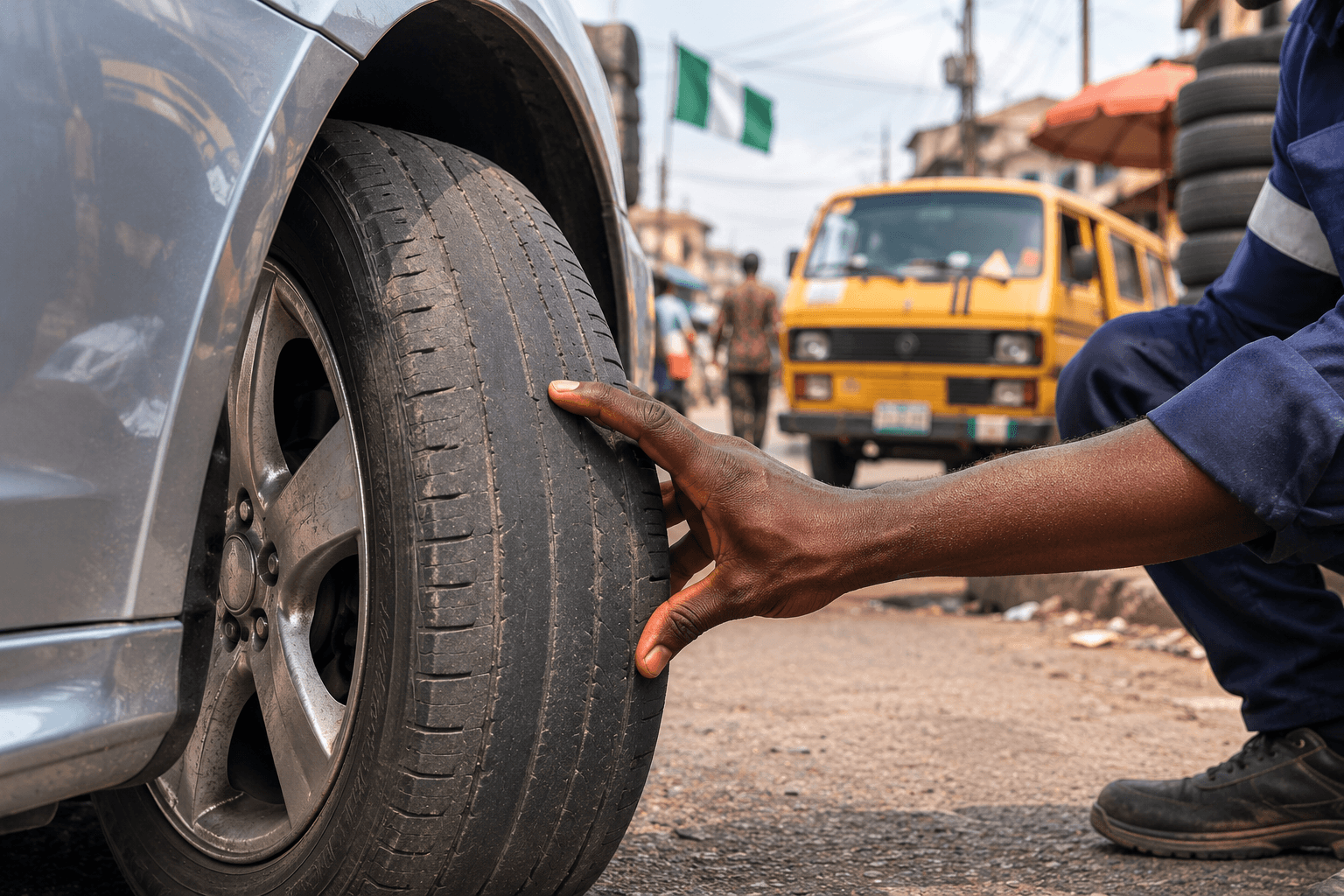
Many vehicle owners and fleet operators focus on the purchase price of tyres, but the real cost often comes from using tyres beyond their safe service life. Worn or damaged tyres reduce performance, increase fuel consumption, compromise safety, and can lead to expensive breakdowns.
Here are five warning signs that indicate it's time for a replacement.
Tread Depth Is Running Low
Tread depth plays a critical role in maintaining traction and road grip. As tread wears down, tyres become less effective at dispersing water, increasing the risk of skidding and reducing braking performance.
Why It Matters
- Reduced grip on wet roads
- Longer stopping distances
- Increased risk of accidents
- Lower overall driving performance
Recommended Action
Inspect your tyre tread regularly and replace tyres before they reach unsafe wear levels.
Uneven Wear Patterns
Uneven tyre wear is often caused by poor wheel alignment, incorrect tyre pressure, suspension problems, or improper load distribution.
Why It Matters
- Excessive shoulder wear
- Centre tread wear
- Feathering
- Cupping
Recommended Action
Correct the underlying mechanical issue and replace tyres when wear becomes excessive.
Frequent Air Loss
Tyres that constantly lose air pressure may have punctures, valve issues, or internal structural damage.
Why It Matters
- Higher fuel consumption
- Accelerated tyre wear
- Reduced handling
- Greater risk of tyre failure
Recommended Action
If a tyre repeatedly requires inflation, have it inspected by a professional and replace it if necessary.
Visible Cracks or Sidewall Damage
Heat, heavy loads, poor road conditions, and ageing can weaken tyre sidewalls over time.
Why It Matters
- Cracks
- Cuts
- Bulges
- Exposed cords
- Sidewall separation
Recommended Action
Replace damaged tyres immediately to avoid costly breakdowns and safety hazards.
Increased Downtime & Unexpected Breakdowns
Frequent tyre-related breakdowns disrupt operations, delay deliveries, and increase maintenance costs.
Why It Matters
- Unexpected downtime
- Delayed deliveries
- Higher repair costs
- Reduced productivity
Recommended Action
Adopt preventive maintenance and replace tyres before they reach the point of failure.