
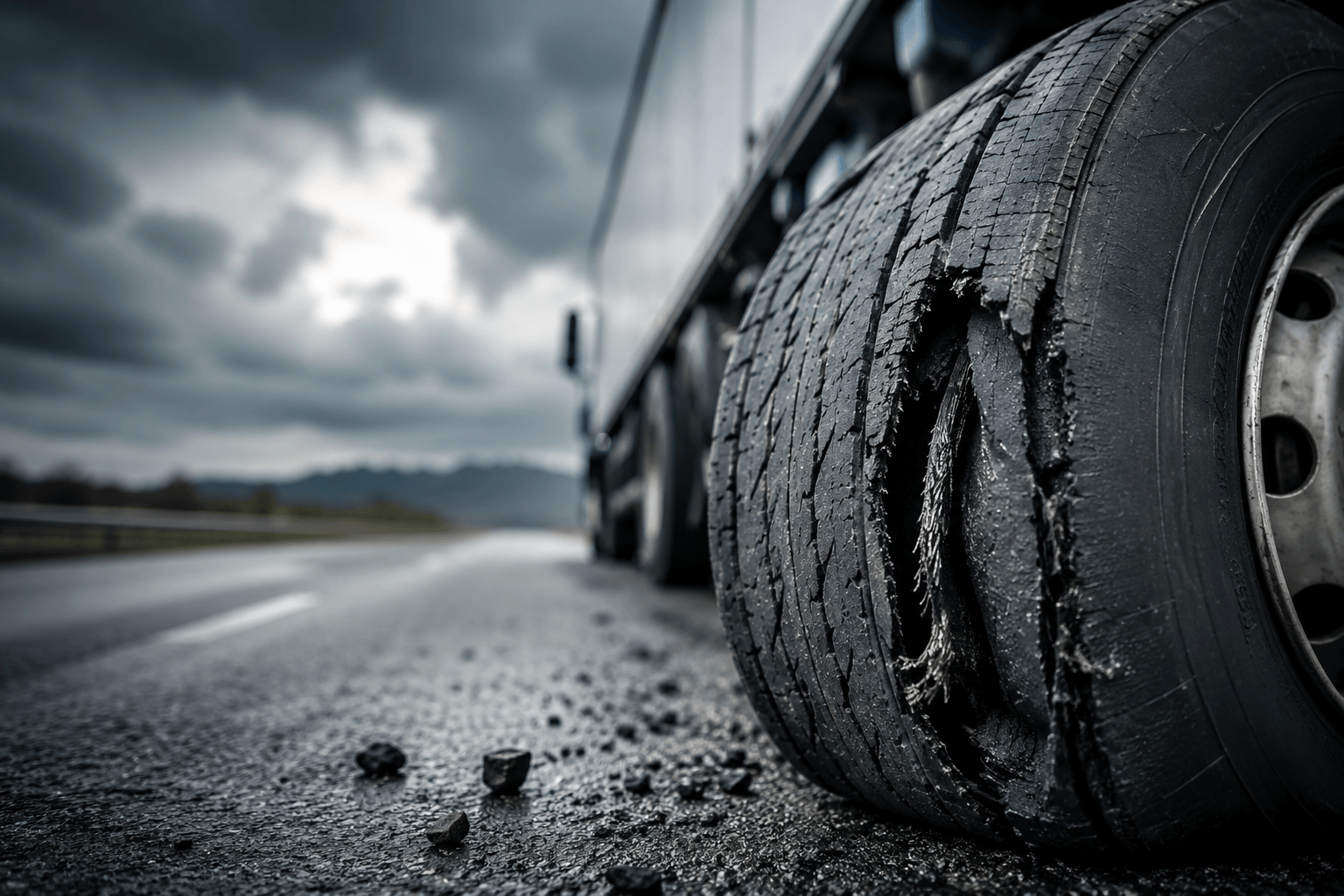
Many vehicle owners believe premium tyres automatically guarantee a long lifespan
While quality tyres are built to perform, even the best tyres can fail prematurely when used incorrectly.
The truth is simple: tyre life depends not only on the brand you buy but also on how you use and maintain it.
1. Wrong Road Use
Not all tyres are designed for the same operating conditions. Highway tyres are engineered for smooth, paved roads and long-distance travel. When these tyres are regularly used on rough terrain, construction sites, mining routes, or poorly maintained roads, they experience excessive stress and wear.
Using the wrong tyre for the wrong application can lead to faster tread wear, punctures, sidewall damage, reduced tyre lifespan, and higher replacement costs.
2. Overloading
Every tyre has a specified load capacity. Exceeding this limit places excessive stress on the tyre structure, generating additional heat and increasing the likelihood of failure.
Overloaded vehicles can experience accelerated tread wear, sidewall fatigue, reduced handling performance, increased braking distance, and premature tyre failure.
3. Incorrect Air Pressure
Tyre pressure is one of the most important factors affecting tyre performance. Underinflation increases rolling resistance, fuel consumption, heat build-up, and sidewall flexing. Overinflation reduces road contact, causes centre tread wear, lowers ride comfort, and makes impact damage more likely.
The Real Cost of Premature Tyre Failure
Early tyre replacement affects more than your maintenance budget. Premature tyre failure can result in increased downtime, higher fuel costs, more frequent replacements, unexpected breakdowns, reduced fleet productivity, and increased safety risks.
The Bottom Line
Tyre life depends on usage, not just the brand. Even the highest-quality tyre can wear out prematurely if it is overloaded, improperly inflated, or used in unsuitable operating conditions.